
Wisdom Teeth Extractions Medford
Safe & Comfortable Third Molar Removal
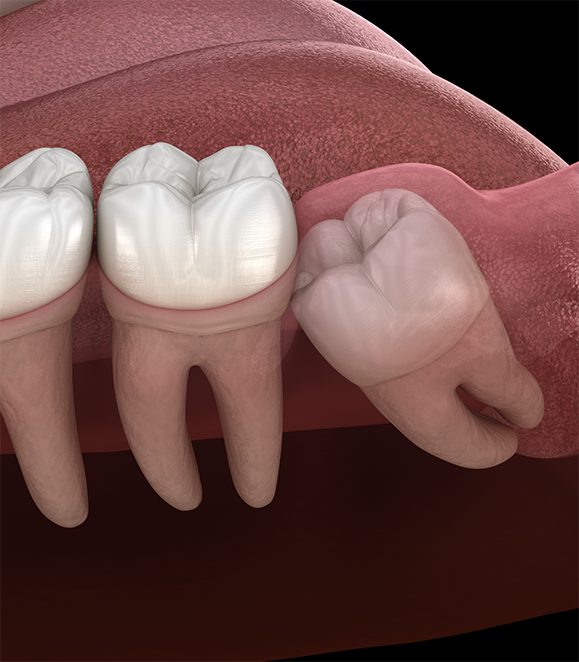
The wisdom teeth are the last set of teeth to come into the mouth, usually appearing between the ages of 16-25. However, most people don’t have enough room for them. So they become trapped within the gum and bone (impacted) or press on the nearby teeth, which can lead to pain, infection, bone loss, and other unpleasant symptoms. As a board-certified oral surgeon in Medford with significant experience removing wisdom teeth, Dr. Keyser is able to prioritize a patient’s comfort before, during, and after the procedure. If you or your teen is experiencing wisdom teeth woes, there’s no need to wait for relief—call today to schedule an appointment.
Why Choose Greater Boston Oral Surgery & Implant Center for Wisdom Teeth Extractions?
- Highly Skilled Dual Degree (DMD/MD) Oral & Maxillofacial Surgeon
- Cutting Edge Technology (Latest CT scanner & Anesthesia Equipment) in a Brand New, State-of-the-Art Clinic
- Able to Help Both Adults & Teens
Does My Child Need Wisdom Tooth Removal?

It’s a myth that everyone needs to have their wisdom teeth removed. The truth is that if they come in without issue and fit nicely, we leave them alone. However, extraction is usually recommended if a patient is experiencing the following symptoms:
- Persistent pain and/or swelling in the back of the mouth
- A feeling of pressure on the back teeth
- The bite feels different or “off”
- Cysts or pathology are forming in the area
- The wisdom teeth have created a flap in the gums that is trapping food and bacteria
The Wisdom Tooth Extraction Process

There are two different approaches Dr. Keyser can take for wisdom tooth extraction based on the situation:
- Simple: If the wisdom teeth have fully erupted, then the extraction is just like it would be for any other tooth. The area is numbed, and then special instruments are used to lift and remove the tooth while causing minimal trauma to the nearby gum and bone.
-
Surgical: If the wisdom teeth are partially stuck in the gum and bone, or impacted, then a minor surgery is necessary. With this, any tissue that blocks access to the tooth is moved, and then the tooth is delicately extracted, often in pieces to prevent excessive force on the jaws and to preserve the surrounding anatomy such as the nerves and sinus cavity. The gums are then replaced into their customary position.
What Happens After Wisdom Tooth Extraction?

The treatment area(s) will be immediately sutured, and gauze will be placed to control any oozing. The dressing should be replaced as necessary. A patient should relax for the rest of the day following their procedure, as this will allow a blood clot to form and ensure a comfortable healing process.
Some swelling and localized soreness are expected, but these can usually be easily managed with medication. If you’re prescribed anything, be sure to follow Dr. Keyser’s dosage directions for how much to take. It’s recommended to stick to a soft food diet for at least a few days initially, so it’s wise to stock up on items like eggs, soup, yogurt, and oatmeal ahead of the procedure.
Understanding the Cost of Wisdom Tooth Extractions

Wisdom teeth may have been helpful for our early ancestors, but today they seem to do more harm than good. A high percentage of people don’t have enough room in their mouths to accommodate wisdom teeth, so they need to be removed. However, this procedure is often put off due to fear of cost. Everyone’s treatment is a little bit different, so the cost can vary. During your consultation, we will discuss the exact cost of your treatment. Until then, here’s what you should take into consideration.
Factors That Can Impact the Cost of Wisdom Tooth Extractions
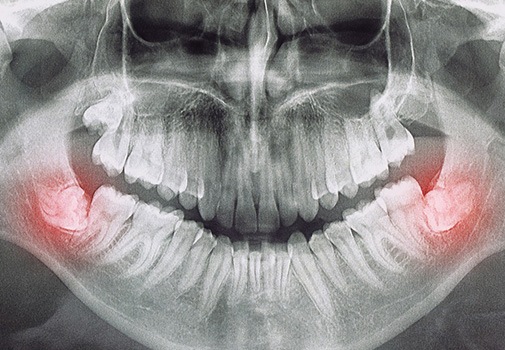
The cost of wisdom tooth extractions can vary. Here are the main factors that influence this.
- Number of Teeth: Some people don’t develop all four of the wisdom teeth. Others may not need all of them removed. We will examine your smile and determine the best treatment course for you.
- Impaction: If you have wisdom teeth that are impacted, the procedure is more complex. This can lengthen the treatment time, increasing the cost.
Does Dental Insurance Cover Wisdom Tooth Extractions?

Wisdom tooth extractions are normally considered to be a “major restorative procedure” by dental insurance providers. This means that after your yearly deductible has bene met, and before you have reached your maximum, the procedure is likely to be covered at about 50%. However, this can vary depending on your plan. At Greater Boston Oral Surgery & Implant Center, we are insurance-friendly and accept numerous dental and medical plans.
How to Make Wisdom Tooth Extractions Affordable

If you don’t have dental insurance, this doesn’t mean that you are completely out of luck. We are happy to accept payments through CareCredit, Cherry, and Proceed. These third-party financing companies can split the cost of your treatment into manageable monthly installments with little to no interest. To learn more about your options, don’t hesitate to give us a call.
Wisdom Teeth Extractions FAQs
Why are wisdom teeth called that?
Are you wondering why or how wisdom teeth earned their name? These third molars usually arrive years after your other permanent teeth have erupted, usually between about 17 and 23 years old.
The prevailing theory is that they were named this way to reflect the fact that they emerge about the same time as you enter adulthood, when you’re older and presumably have had more time to gain additional wisdom during your life.
Does everyone have wisdom teeth?
Most people have four wisdom teeth; one for each quadrant of the mouth (Upper Right, Upper Left, Lower Left, and Lower Right). But not everyone develops all four! For example, according to a 2015 article published in the Dental Research Journal, an estimated 37% of the population is missing one or more of these last molars.
That means it’s possible to have only 1, 2, or 3 wisdom teeth, and some lucky individuals don’t have any! While the reason for this isn’t entirely known, it’s believed that genetics plays a role. If one of your parents doesn’t have all of these molars intact, then you may be more likely to also develop a limited number.
Does removing wisdom teeth hurt?
It’s natural to feel anxious if you’ve just learned you need to have problematic wisdom teeth taken out, especially if you’re scared the procedure will be long and agonizing. Thankfully, that’s not usually the case!
For starters, our team will numb your mouth before starting your procedure so that, although you might feel some pressure while Dr. Keyser works, you shouldn’t be in outright pain. Not only that, but we also offer multiple options for sedation to help you feel calm and comfortable throughout your treatment.
That means you likely won’t have to worry about potential aches until the medications wear off. Then, it’s normal to feel sore for several days, which can often be addressed with over-the-counter solutions, like acetaminophen or ibuprofen.
What’s the best age to have wisdom teeth extracted?
Many patients have their wisdom teeth removed in their teenage years, but some adults develop issues with these molars later in life and wonder if it’s too late to remove them. Thankfully, there’s no age limit on having them extracted.
With that said, it can be ideal to remove them in high school or college, because it can be easier to schedule the procedure and recovery over a long weekend or holiday break without worrying about missing too much school or work. Also, older adults tend to have firmer jawbones that may take longer to heal.